
Black Metal as we know it now is one of the more extreme subgenres of Heavy Metal music, not just in terms of music but equally in terms of commitment and attitude. It gets its name from the 1982 album Black Metal by the NWOBHM band Venom. But as a genre it owes its inception and its collective debt to two distinct successive waves of bands in the mid-1980s and the early-1990s.
Read more …
The first wave consisted of mostly European but also Canadian and Japanese bands (Bulldozer, Blasphemy, Sabbat) who mostly played fast thrashy stuff, while "singing about Satan and demons and all the dark forces" and donning leather, spikes, and bullet belts for stage shows "to create a dark, ominous, evil atmosphere."1 For them, Black Metal, insofar as they used the term at all, and its Satanic subject matter were just that: a subversive, tongue-in-cheek theme to shock -- not a genre, nor a style.
Then came the second wave, which consisted of bands from especially Norway (Burzum, Darkthrone, Mayhem). They took things to a whole new level. For many of them, Black Metal was a distinct genre, one which demanded commitment to a certain sound, but even more so it was also a way of life (to some at least). For some, that meant a life of devil worship.2 For others, it meant a commitment to restore "the Great Past" when Norway was connected to "the 'Great Forefather' of Norway (and Scandinavia), the source of pride: the Vikings."3
Indeed, when it comes to Norwegian Black Metal, artists and fans alike went to the extremes of the extreme, committing acts of self-maiming, suicide, church arson, graveyard desecrations, and in some cases even homicide; though these days it's really just another music genre that's out there. But back in the day late-1980s and 1990s, it was almost a secret society; and members didn't want their identities exposed, which is part of the reason why Norwegian Black Metal performers often covered their faces with black-and-white "corpse paint," "creating monstrous or ghoulish skull-like visages using stage makeup, Halloween-themed makeup, and even shoe polish."4 The other part was to "be the visual expression of the content of their lyrics and ideological dispositions." I'll get to that in a moment.
While there are many subgenres of Black Metal, they all, or most of them, share common musical traits. These include fast tempos, shrieking vocals, heavily distorted guitars, lo-fi recording (which is really a nice way of saying, "poor production values"), and a preference of atmosphere over technique -- sometimes by means of dissonant chromatic melodies, and at other times by means of keyboards, organ, and choirs.
Lyrically and thematically, songs often deal with the occult or the metaphysical (especially the metaphysical void or darkness), or sometimes more plainly with Satanism and diabolic perversion. Sometimes, it's about following the "left-hand path" rather than the "right-hand way;" sometimes it's just plain raging against religion, especially against Christianity and the God of the Christians. Other times, it's about exploring Nietzche's Zarathustra; still other times, it's about a black crow on a tombstone. But at any rate, it's always about generating some sense of apocalypse.
Update: More than any other part of the guide, this section has seen the most rewriting, because of the rapacious nature of its fans who are sticklers for details. Which is all good, because this guide demands and deserves the utmost scrutiny. It would be great, though, if these same people (you know who you are) would sit and go over everything else I wrote.
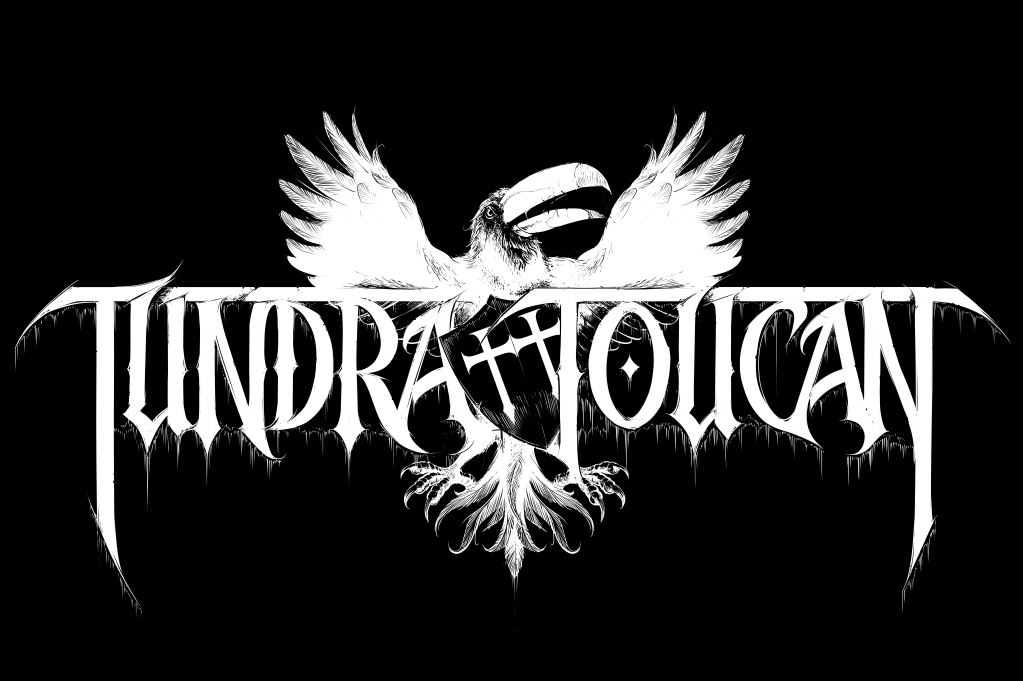
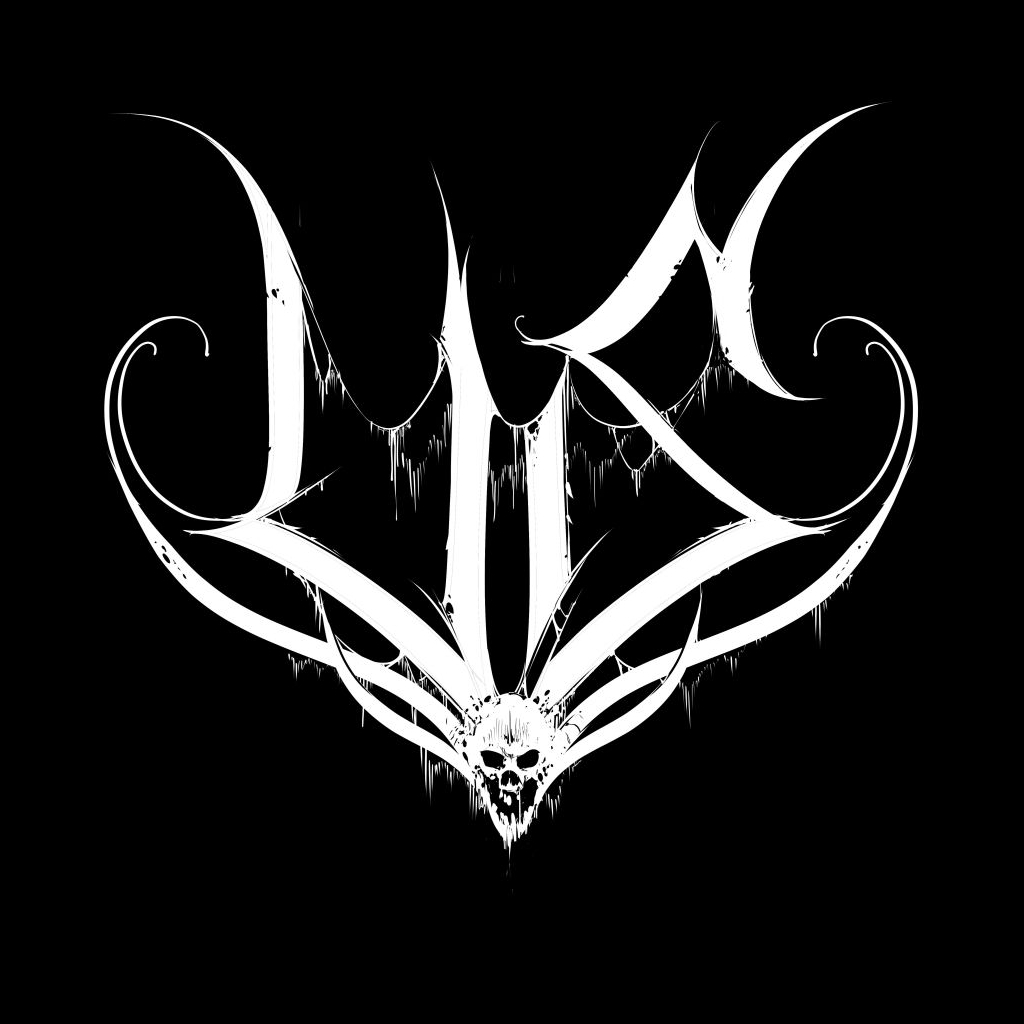
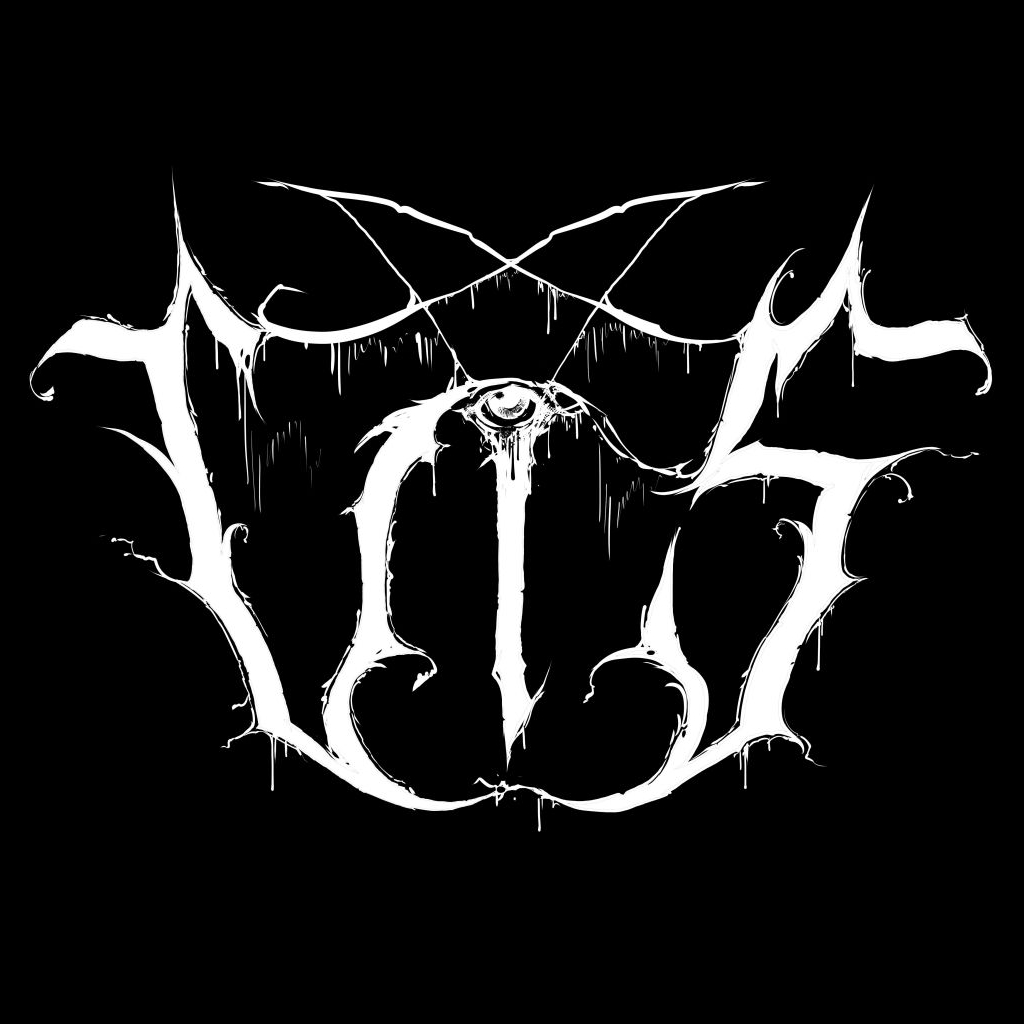
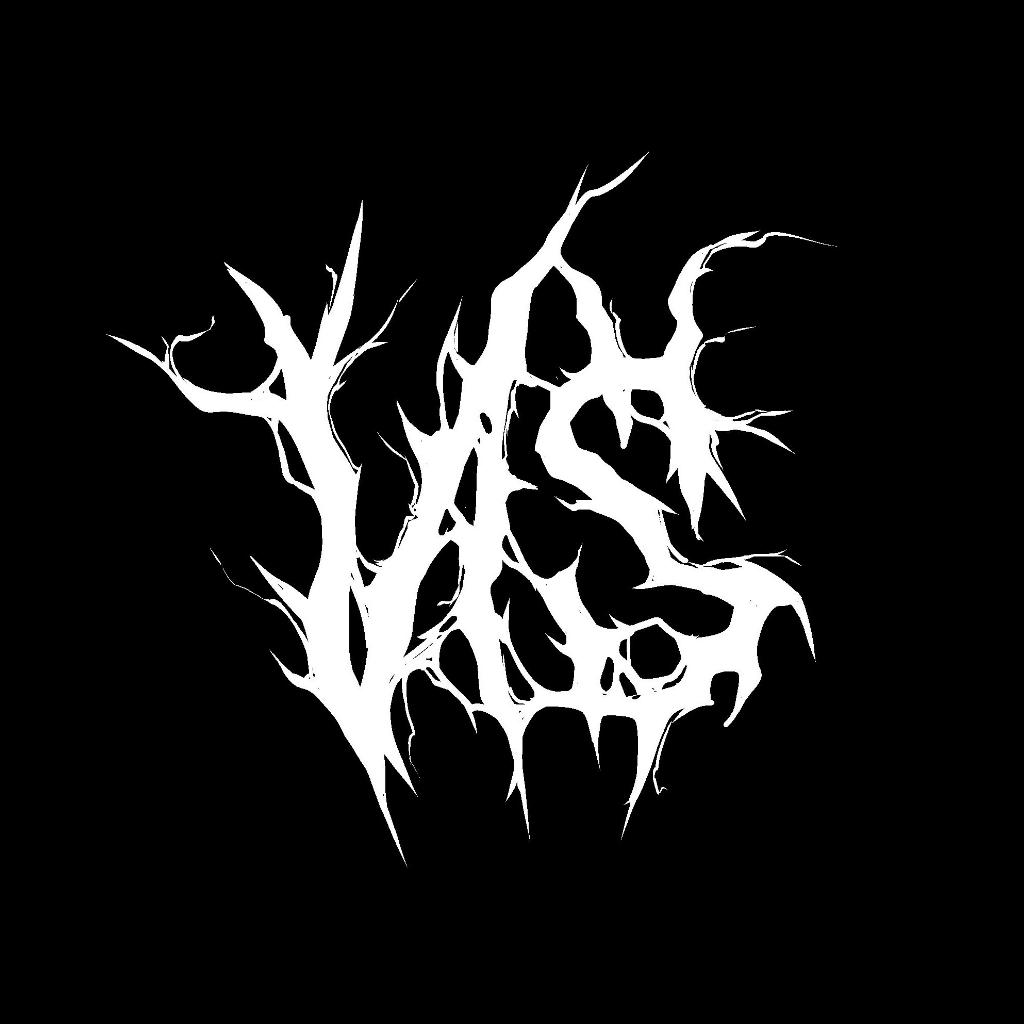
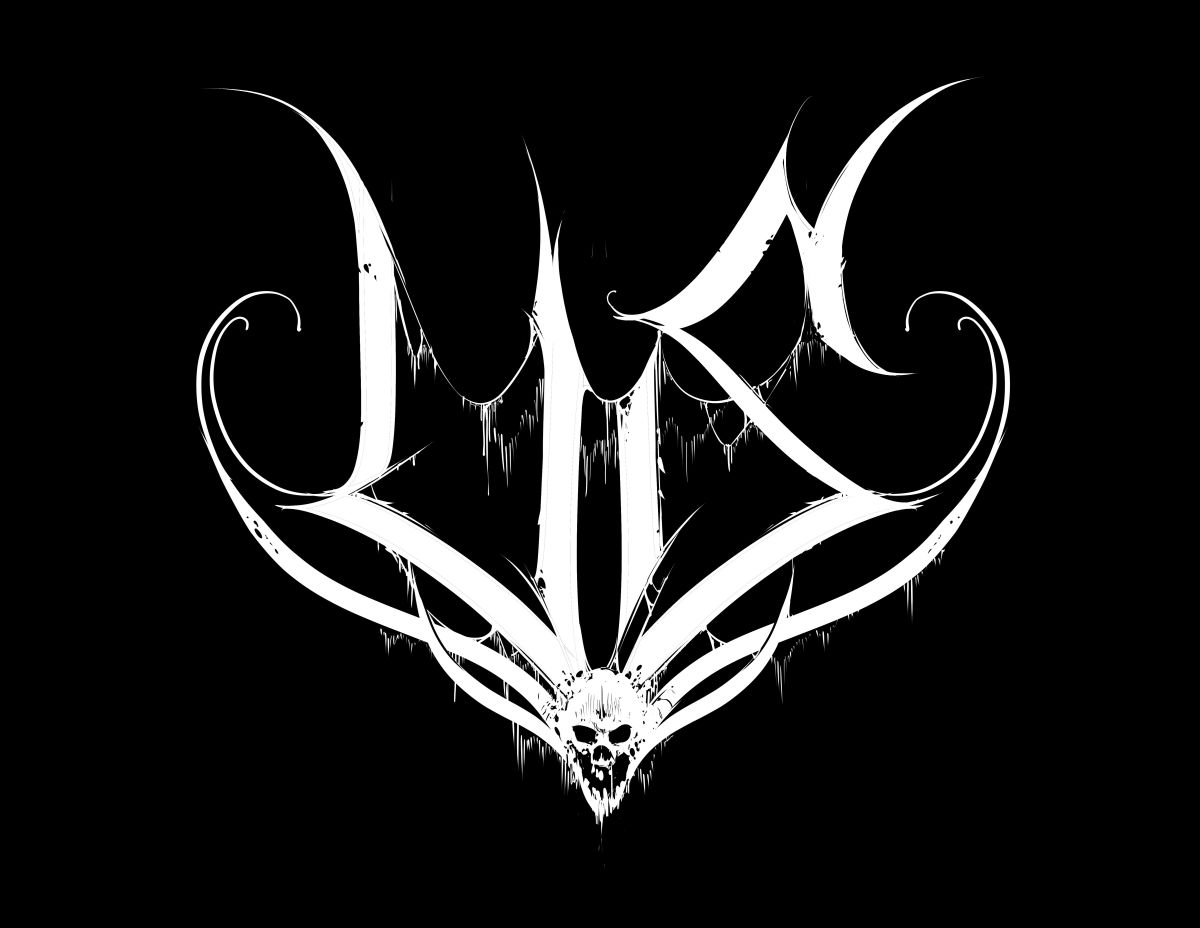
In the mid-1980s, and especially in the early-1990s, there were created a few logos that proved seminal in the years to come, most notably the logos of Mayhem and Emperor. Basically, every Black Metal logo created now takes its cues from both of these. Also, the guy who did the Emperor logo went on to do 10,000(!) logos -- mostly in the Black (and Death) Metal scene.5 Which is why, regardless of subgenre (Ambient Black Metal, Depressive Suicidal Black Metal, Raw Black Metal, Psychedelic Black Metal, Symphonic Black Metal), Black Metal logos tend to look alike. Indeed, they all share a couple of logo and letter design traits:
- The logos often display a high degree of symmetry, supposedly because of its "arcane feel" and the genre's "reputation for elitism."6
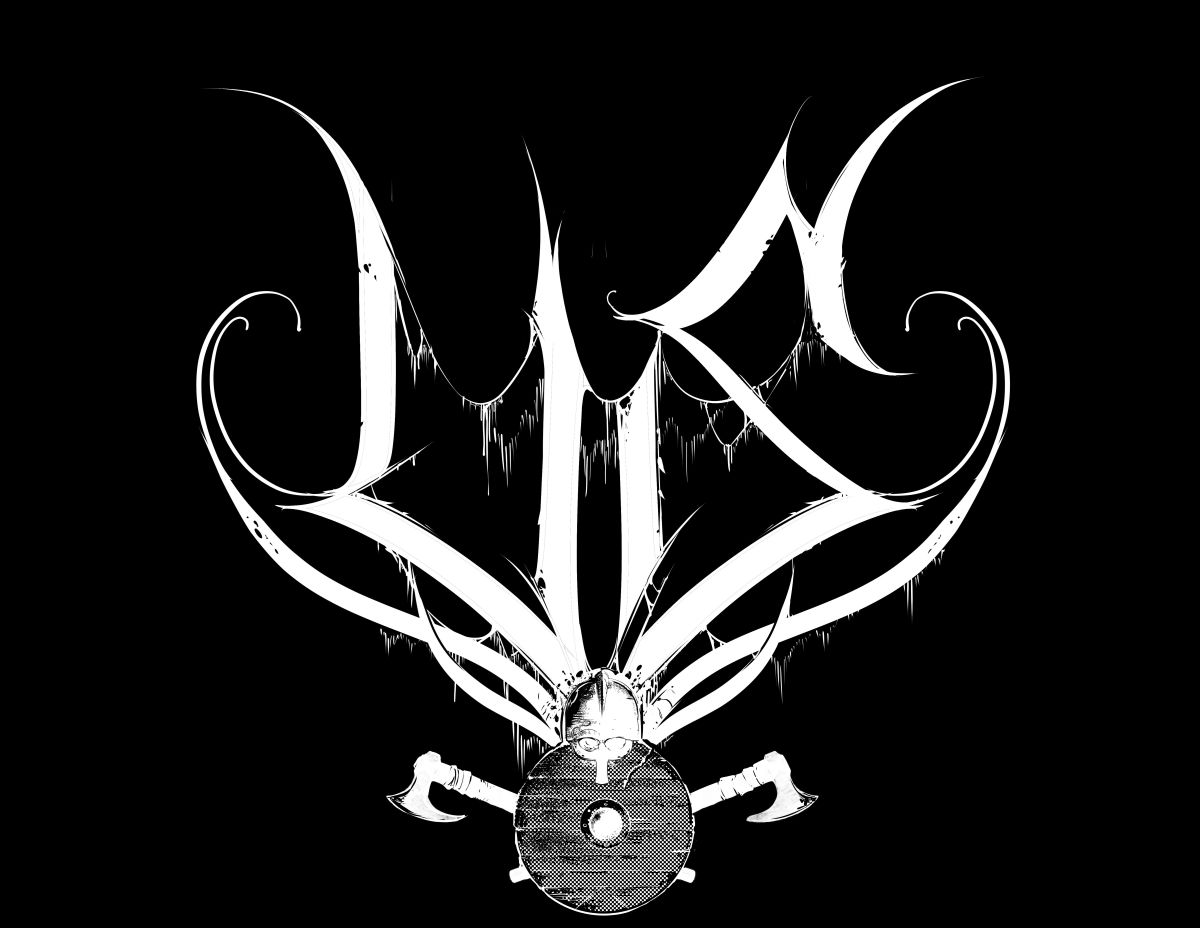
- Black Metal logos also often incorporate (background) graphics of medieval weapons (swords, axes, maces, flails, shields). It's most likely done to ground the band in History, with a capital H. It's the Black Metal equivalent of opening a new restaurant in 2021 and hanging up a sign that says, "In business since 1991."
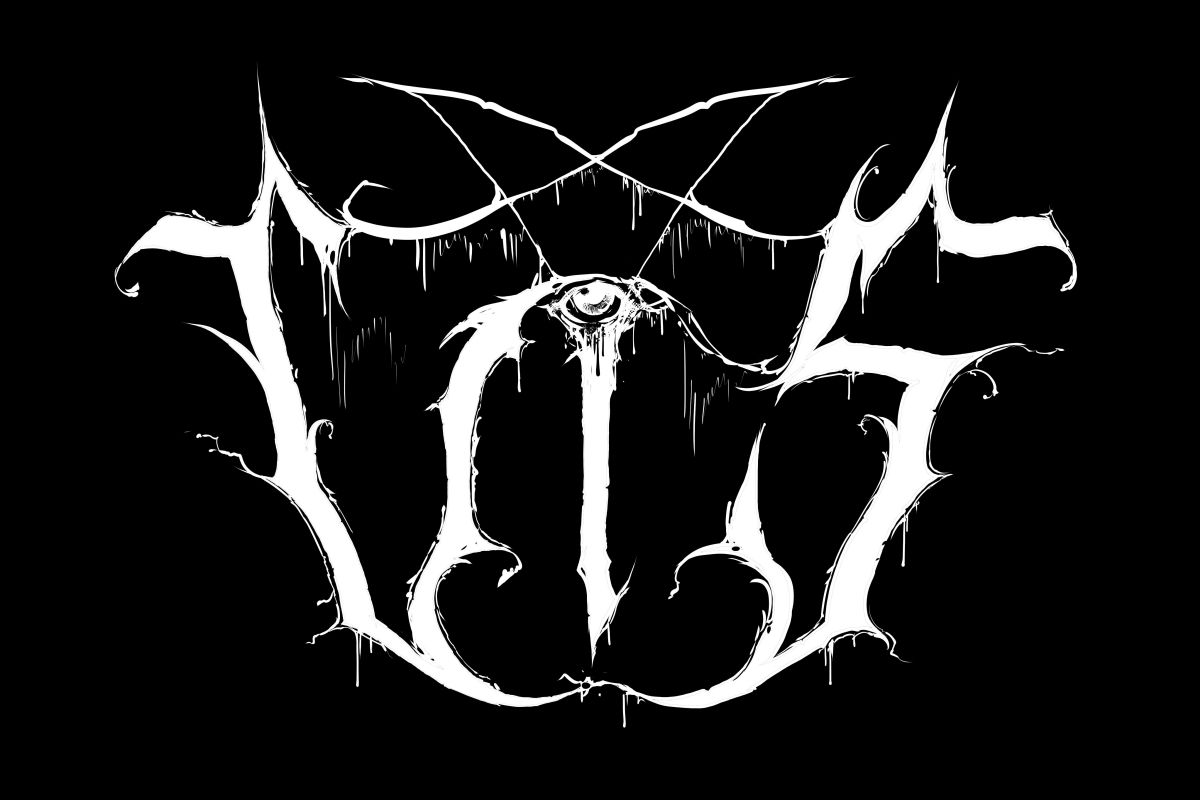
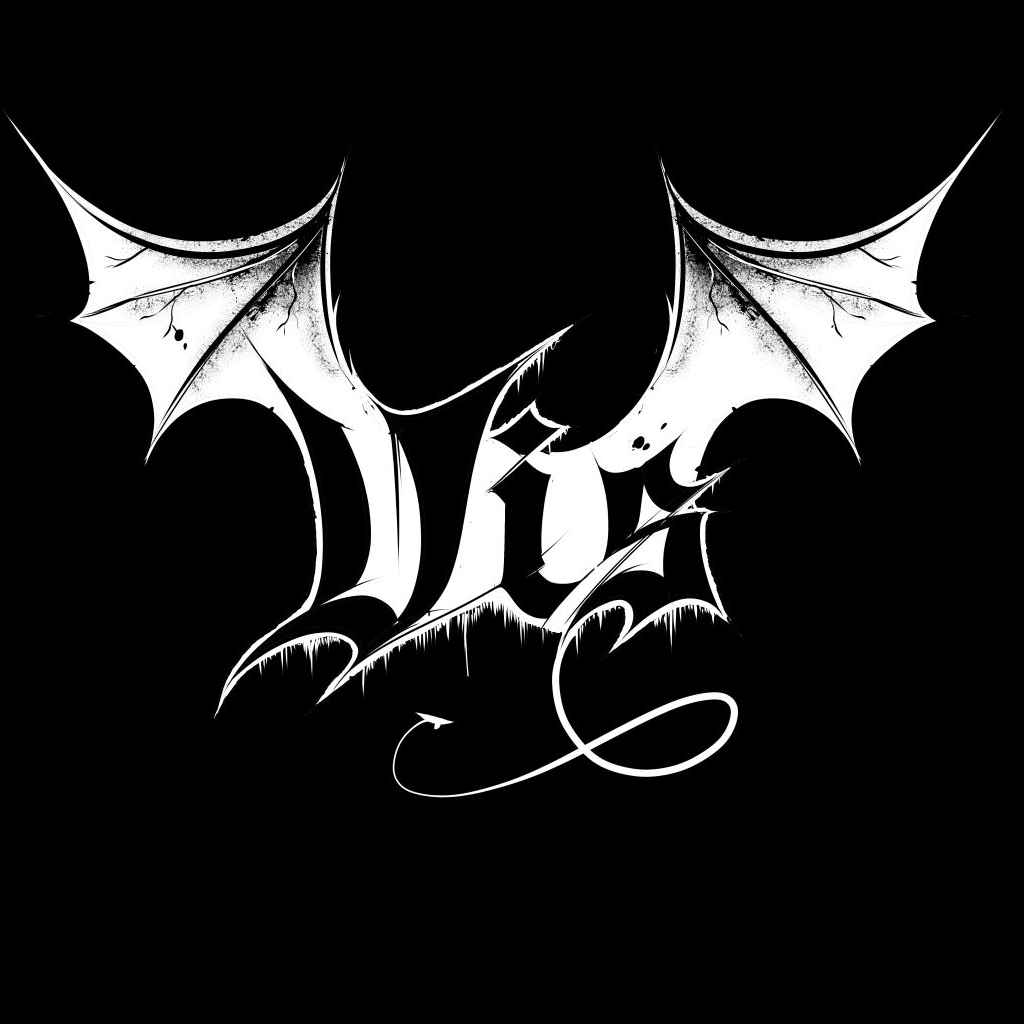
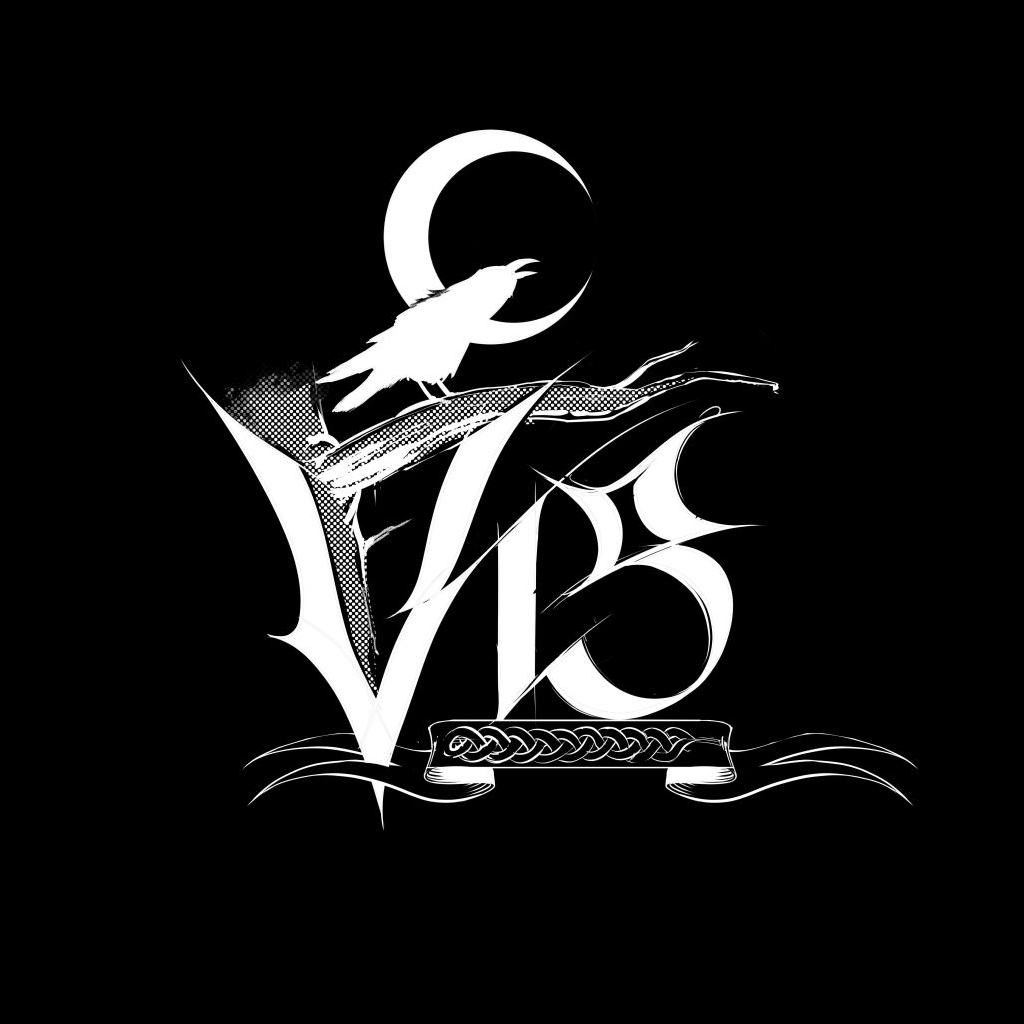
- The logos often feature either abstract Satanic, occult, or anti-Christian imagery (inverted crosses, pentagrams, demon and magick sigils) or figurative graphics pertaining to the dark arts (candles, wolf heads, goat heads, dragons, daggers, crescents moons) or sometimes both;
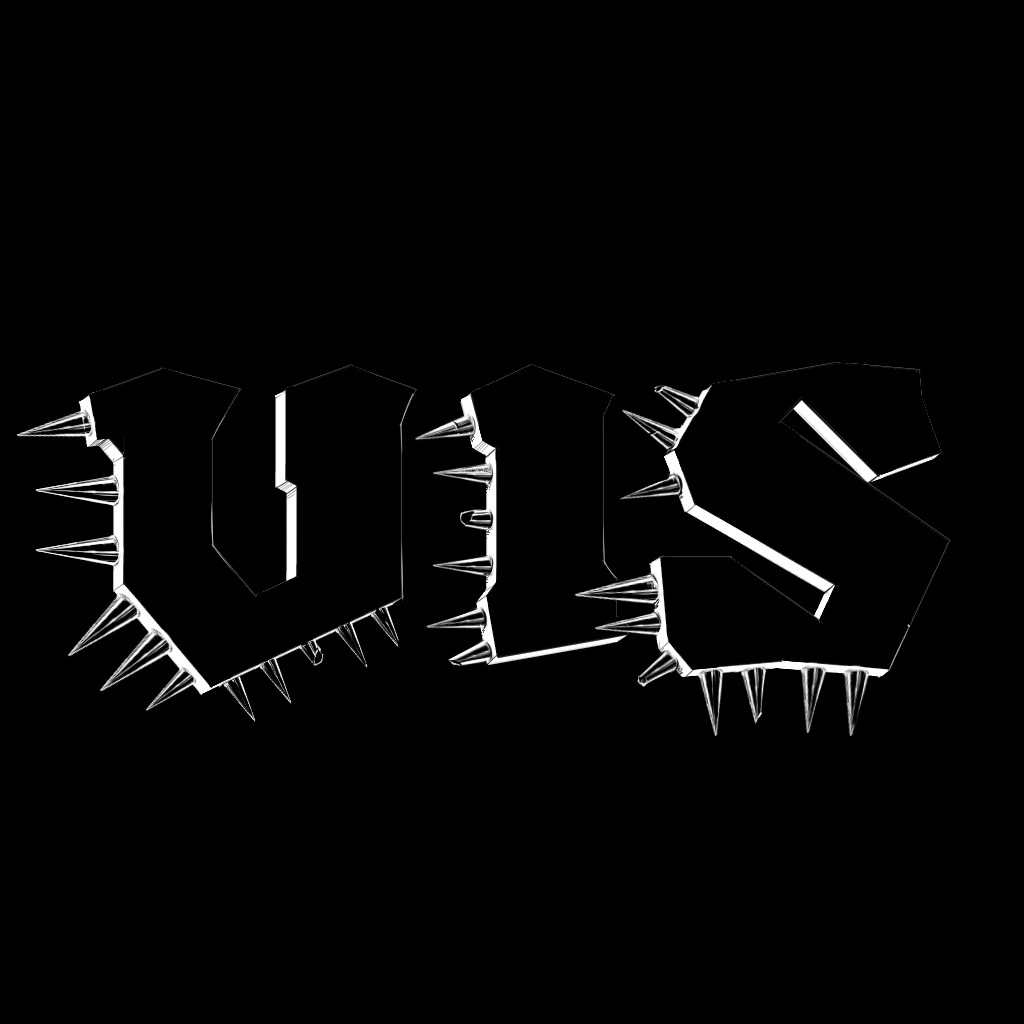
- The letters are often in blackletter(-like) form, either in lowercase or uppercase, with flourishes (curls and spikes) and exaggerated edges;
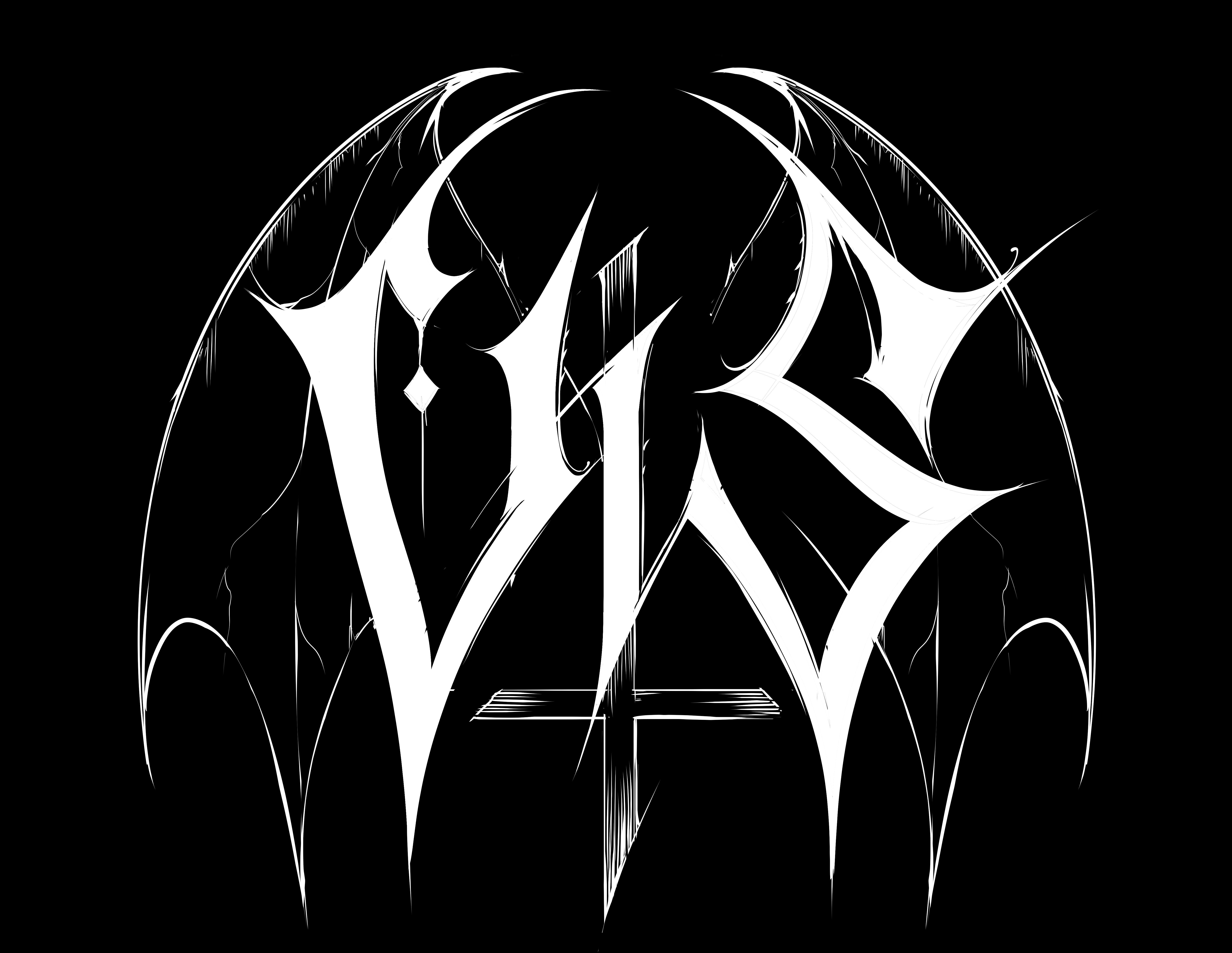
- And the logos are often unreadable and purposely made to resemble a lump of tree roots, "reflecting the genre's obsession for wintry forests."7 To fans of the genre, it signals, "Good luck seeing the forest to the trees." To anyone else, "Good luck finding something -- anything -- interesting in this musical mess."
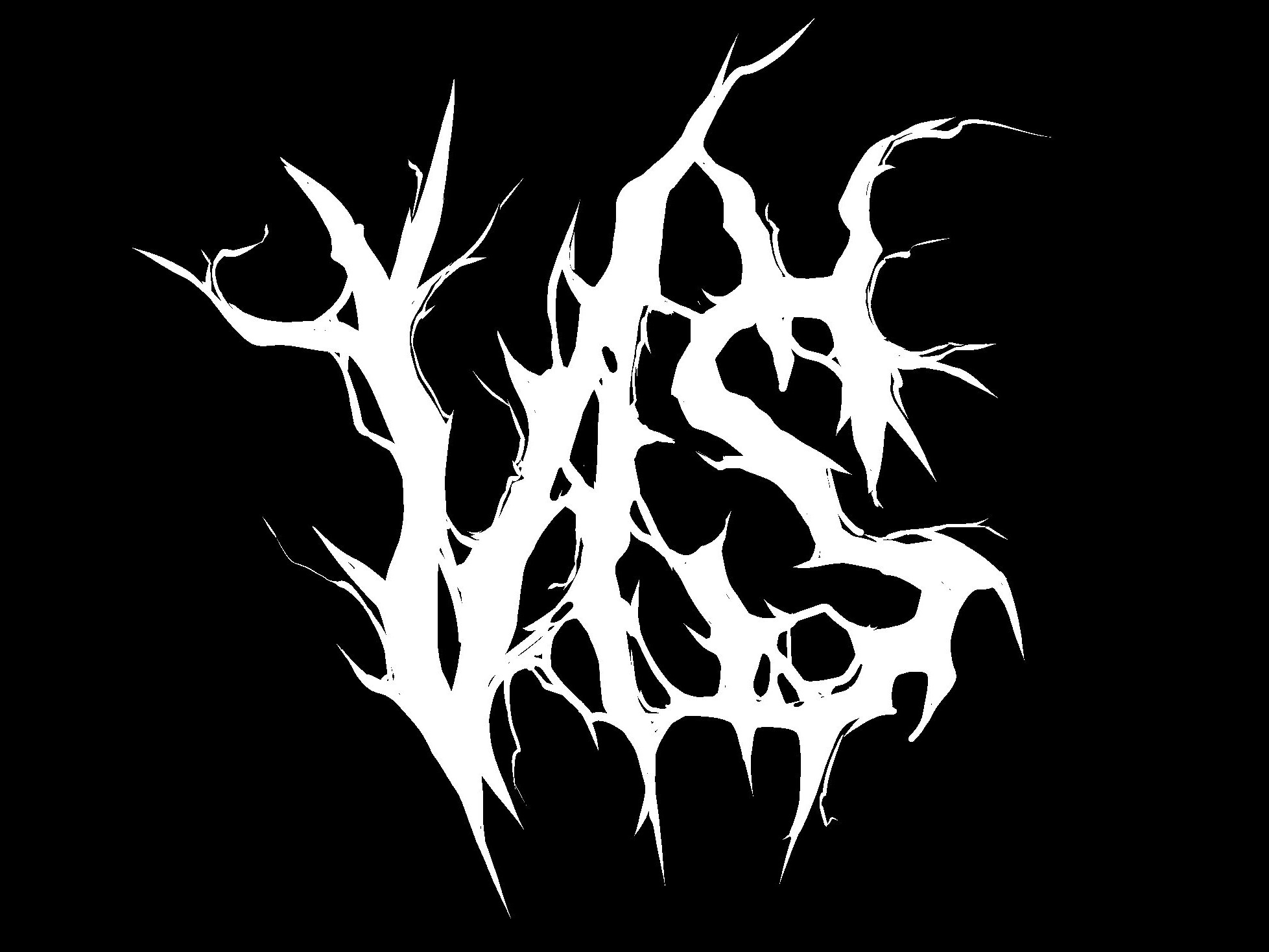
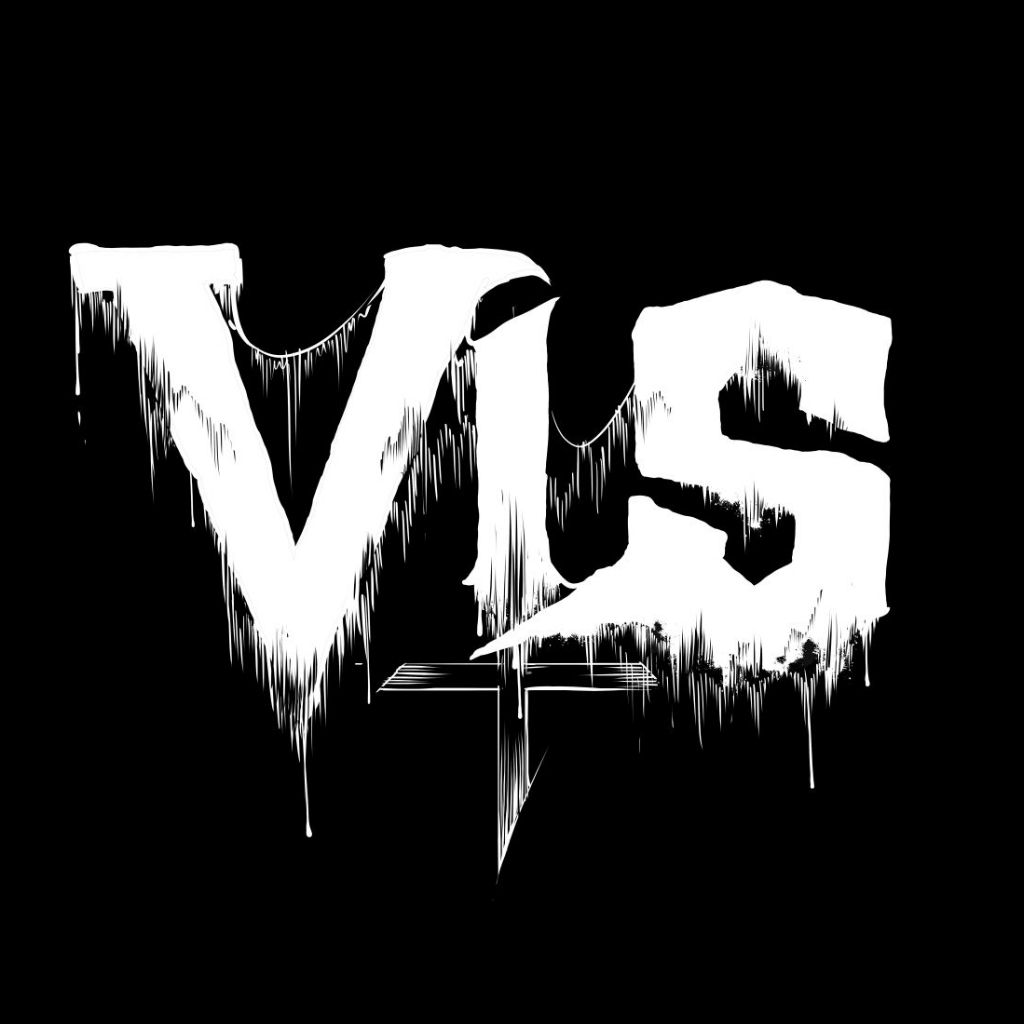
- Oh, and they tend to be monochromatic (black-and-white). According to at least one observer, this is due to "the subgenre's discourses of purity and bleakness."8 But I would add here that the print realities being what they are, it's easy to understand why these logos tend to be monochromatic. Most Black Metal albums are or were released in the underground Metal scene -- and often purposely so -- and thus don't expect to a lot of copies. So while mainstream bands are likely to spend on printing, underground bands tend to favor black-and-white, or monochrome, art for band t-shirts and album covers, to keep costs low; indeed it's why artists like Mark Riddick and Chris Moyen, whose graphic work has defined the look of underground Metal since the 1990s and before, specialize in black-and-white ink drawings.9
The Black Metal scene, as we commonly know it today, emerged in Norway in the late-1980s and early-1990s. But the Norwegian bands that made up the scene were actually part of the second wave of Black Metal.
Bands to check out: Second Wave of Black Metal
- Darkthrone
- Emperor
- Mayhem
As a genre, however, Black Metal emerged in the early- to mid-1980s, first in the UK and then elsewhere.
Bands to check out: First Wave of Black Metal
- Bathory
- Beherit
- Bulldozer
Following in the wake of the second wave, new bands emerged all over the world, eager to get in on the action.
Bands to check out: non-Norwegian Black Metal
- Cradle of Filth
- Summoning
- Varathron
Today, Black Metal is an international phenomenon, and there are many Black Metal doing things differently than the way the bands of the first and second wave did and sometimes still do, both in terms of music and of the ethos of making Black Metal, so it's impossible to cover them all here. But the bands mentioned above, should help get you some idea of how these bands vary in style and intensity.
Related genres
 Blackened Death Metal in Brief
 Blackened Thrash Metal in Brief
 Pagan Black Metal
 Post-Black Metal & Blackgaze
 War Metal
 Unblack Metal
References
[1] M. Unger. Sound, Symbol, Sociality: The Aesthetic Experience of Extreme Metal Music, p. 24, 2016; and A. O'Neill. Ch. 5 on The First Wave of Black Metal. A History of Heavy Metal, 2017.
[2] D. Patterson. Ch. 33: Marduk: Part I. Black Metal: Evolution of the Cult, 2013.
[3] B. Pilo. True Norwegian Black Metal: Nationalism and Authenticity in the Norwegian Black Metal of the '90s. In T.M. Karjalainen, ed. Sounds of Origin in Heavy Metal Music, pp. 45-46, 2018.
[4] B. Hutcherson and R. Haenfler. Musical Genre as a Gendered Process: Authenticity in Extreme Metal. In N.K. Denzin, ed. Studies in Symbolic Interaction, p. 116, 2015.
[5] L. Stinson. Wired: The Beauty and Total Illegibility of Extreme Metal Logos. https://www.wired.com/2015/10/the-beauty-and-total-illegibility-of-extreme-metal-logos, 2015; and M. Rampton. Kerrang: Inside The World Of Extreme Metal Logos. https://www.kerrang.com/features/inside-the-world-of-extreme-metal-logos, 2018.
[6] E.T. Smialek. Genre and Expression in Extreme Metal Music, ca. 1990-2015, pp. 154-155, 2015.
[7] Ibidem.
[8] Idem, p. 155.
[9] J. Asphyx. Translated by Duzl. Deadly Storm zine: Mark Riddick - I Do Think That Critique Is a Vital Tool for Developing as an Artist. http://www.deadlystormzine.com/2018/09/interview-mark-riddick-i-do-think-that.html, 2018; P. Williams. Highsnobiety: Black & White: A Conversation with Death Metal Illustrator Mark Riddick. https://www.highsnobiety.com/p/mark-riddick-interview/, 2017.